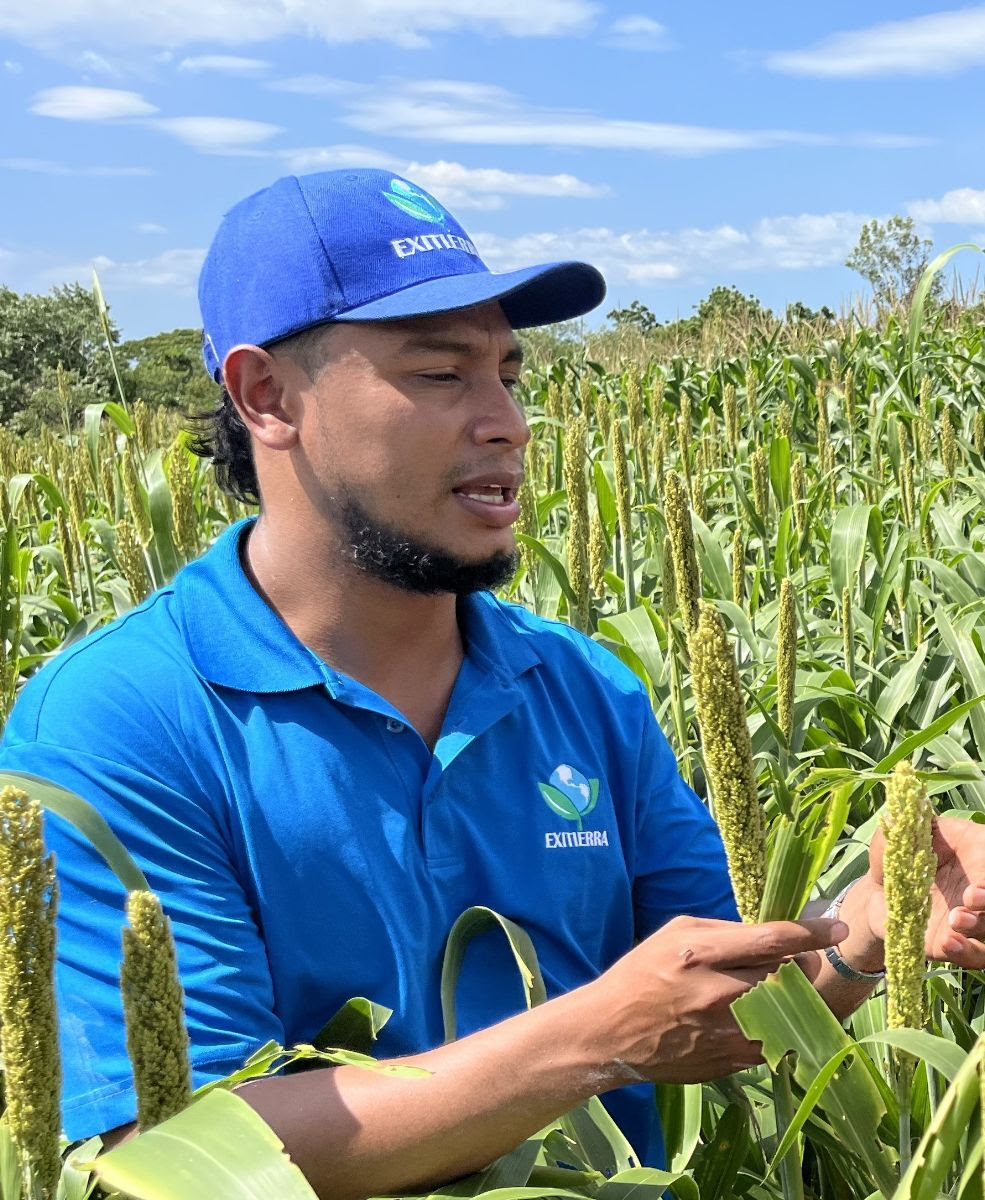
NICARAGUA CORN PRODUCTION
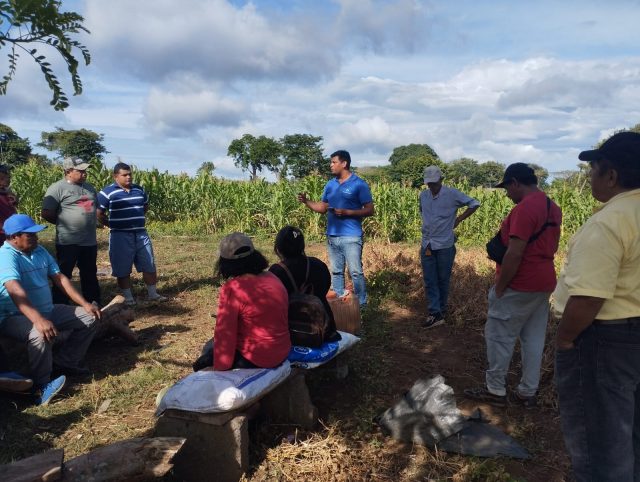
Red beans are certainly the king crop of Nicaragua – they are part of the country’s identity and such an important part of their diet. In our quest to improve rural incomes and yields, we have worked extensively to encourage more production of CORN (consumed locally as tortillas, porridge and tomales) and to increase it’s profitability through yield increases, diversification of income and marketing strategies.
Corn has an image problem compared to beans. Because beans have a more cultural attraction, corn doesn’t receive the investment it needs to achieve it’s yield potential. As we talk about general farming strategies we include corn as an important rotation crop. A rotation crop is necessary to plant between cycles of beans to:
- Improve bean yields – by interrupting a bean-on-bean production cycle we can improve bean yields just by planting on fresh soil that hadn’t previously grown a crop of beans.
- Improve soil health – crop rotation gives opportunity to break the life cycles of different pests: weeds, insects, molds, that affect yields. Crop rotation is simple soil health management that helps maintain a rich diversity of the ecosystem in the soil. Crop rotation gives us the ability to tackle pests with a different set of crop protection products specific to each crop being grown.
- Diversify incomes – crop rotation lessens the reliance on a single harvest to provide a family’s income. Different crops respond differenly to the weather in each cycle, mitigating risk from crop failures due to drought or excessive rains.
Corn is an important part of the diet in Nicaragua and we enjoy it in different ways. A single variety (or planting) of corn yields us 3 different products:
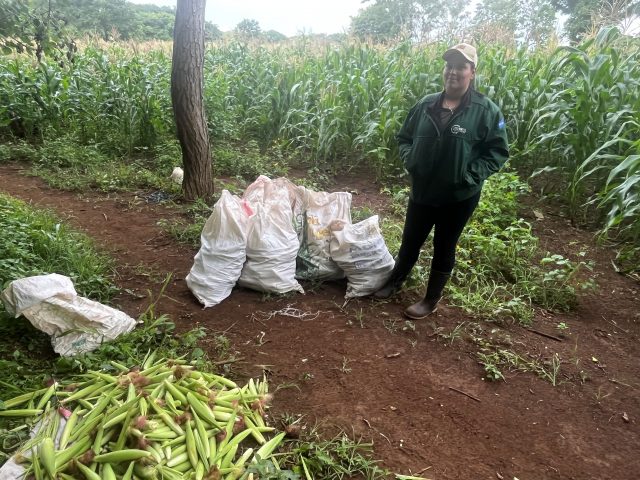
- Chilote – young corn in the very early stage of ear deveopment. Like an asian «baby corn». We enjoy this in soups and some stir-fry dishes.
- Elote – same corn cob allowed to develop to the milk stage. What we in Canada would term «sweet corn» except it’s not sweet at all, just has that tender texture.
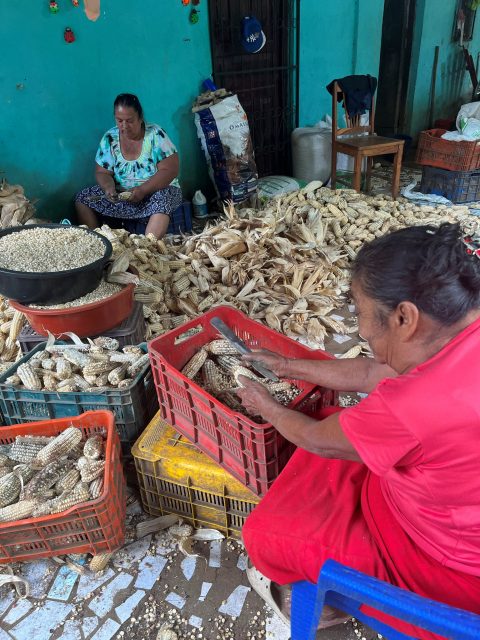
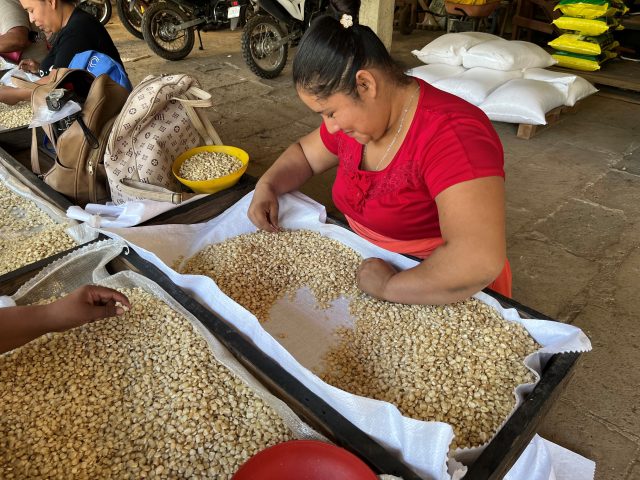
- Maiz seco – Dry, whole kernal corn which in turn gets turned into tortillas, porridge and tomales, also animal feed.
Farmers will harvest up to all 3 of these products from the same field of corn. This helps with cash flow, and again helps diversify income and protect against, say – a rainy period which could ruin the dry kernel harvest.
La Semilla has been involved in corn production by encouraging a complete production plan – from variety selection, through plant nutrition to pest management. On the seed front we source and sell hybrids which have the best yield potential, but also through our brand EXITIERRA, propogate native open-pollinated varieties which are attractive because of a shorter growing season and local market adoption.
On one hand, you may consider that the climate here allows us to plant year-round. It’s true that the temperature allows this and to a minor extent – it does occur with irrigation. But because of the geografic ares and farmers we work with, irrigation is limited and we must work in harmony with the rainy season. So planting dates are pretty specific, both because of available moisture for germination and crop growth, but also because we always have to be watching our harvest dates. Is corn a profitable cropping option? When we invest in it the same way we do in beans, YES corn is a viable option!
Realizing financial security for farming families is a way we find purpose and bring dignity to people’s lives! La Semilla Ministries – planting for today and for eternity!